A bigger water bill
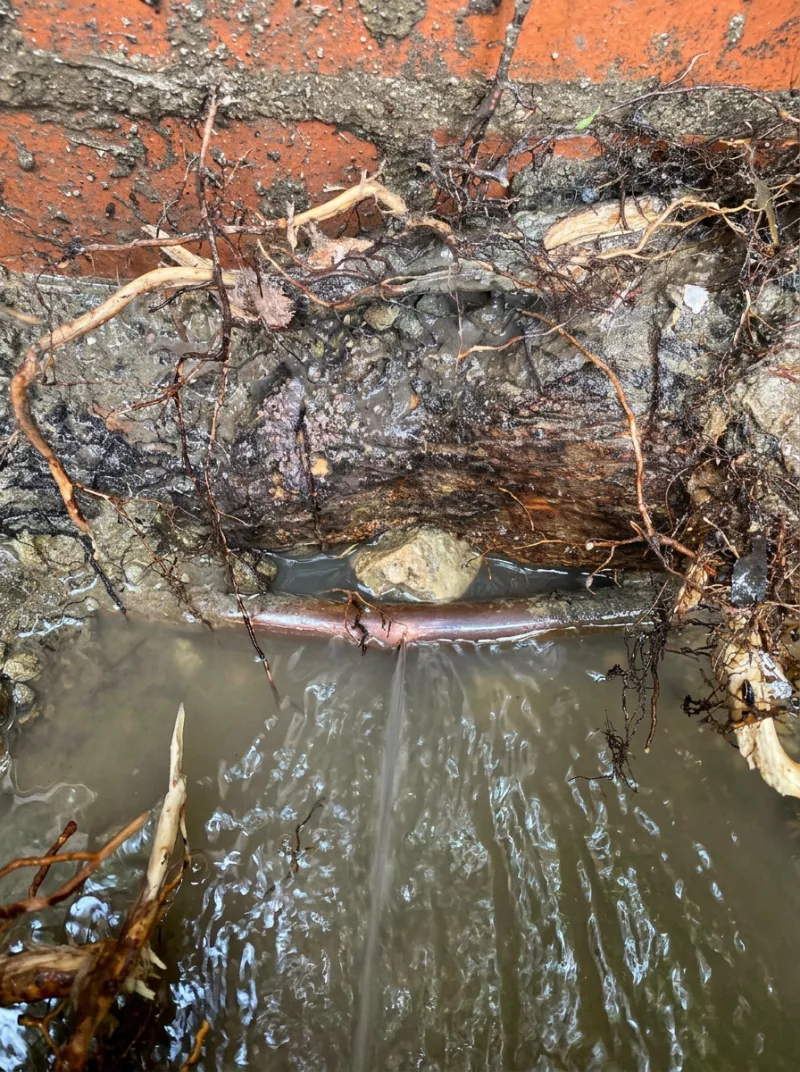
It's higher than usual, and nothing in the house is dripping.
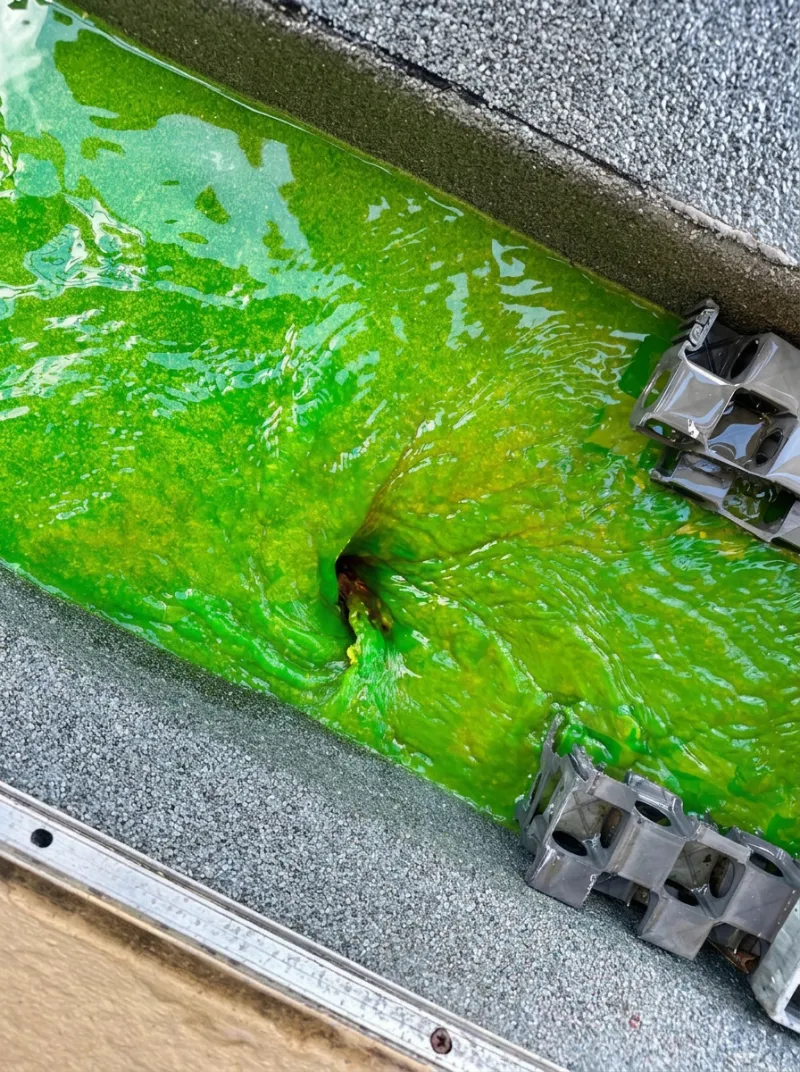
Pressure testing, acoustic listening and thermal imaging
Water bill up and nothing dripping? We test, listen and scan before anything is opened, so the repair stays small.
5.0 from 105 Google reviews“Thomas and James from Help Plumbing came out to check a leak from our washing machine. … they still took the time to inspect everything properly.”
“James identified issues proactively … is happy to answer all questions and check all taps are working before leaving.”
“Super friendly, punctual, and professional. … Thank you for coming on such short notice!”
Water bill gone up?
Hidden leaks give themselves away slowly. These are the clues most people notice first.
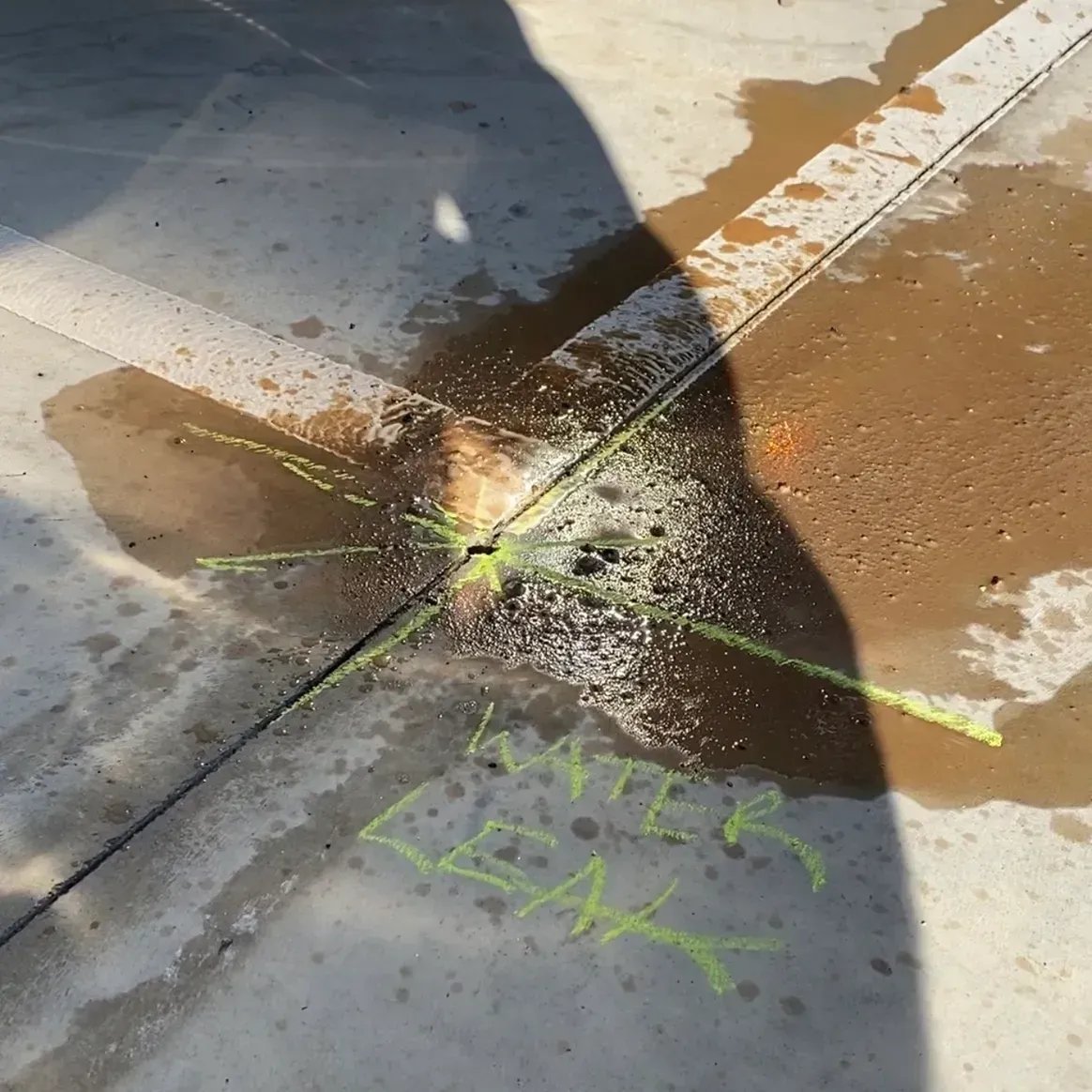
It's higher than usual, and nothing in the house is dripping.
A damp patch, bubbling paint, mould or a musty smell.
Warm tiles or concrete can mean a hot water pipe leaking under the slab.
Wet lawn that won't dry out, or water pressure that has dropped.
You can hear it moving when every tap in the house is off.
Want to check before you call?
Turn every tap off and read the meter, then check it an hour later. If it moved, water is going somewhere.
Call us nowHow we track it down
We find the leak before anything gets opened. Then the repair is a small, targeted opening, not a whole wall.
If your water bill has jumped and nothing in the house is dripping, there's probably a leak you can't see. Help Plumbing finds hidden leaks in walls, floors, concrete slabs and underground pipes for Sydney homes and businesses, working from our base in Earlwood. We pressure test, listen and scan before anything is opened, so the repair is small and in the right place. You get the price before we start. Call (02) 9538 7878.
Leaks and flooding, 24/7
Turn off the water at the main stop tap, usually near the meter. Then call our 24/7 line and we'll give you a time.
Find it, mark it, fix it
Four steps, from first clue to dry wall.
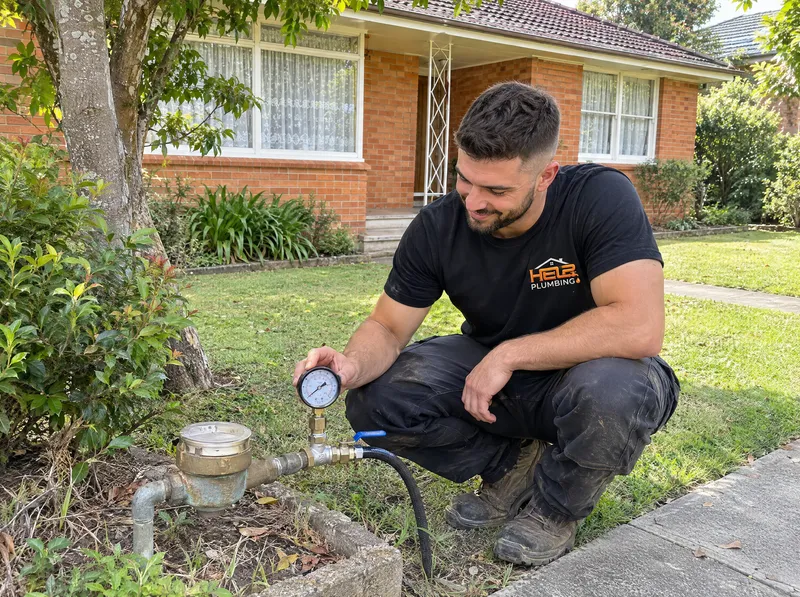
Step 1
We isolate parts of the system and pressure test them. That proves there's a leak and tells us which section it's in, before we touch a thing.
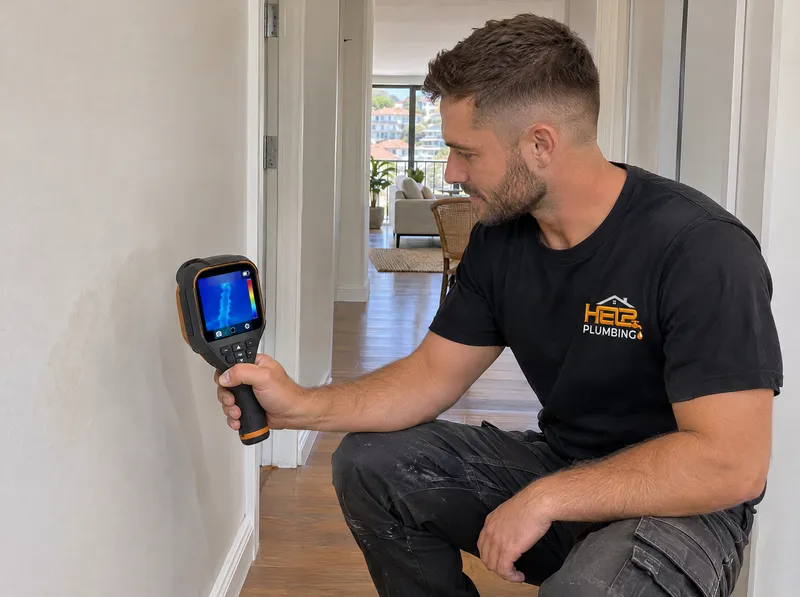
Step 2
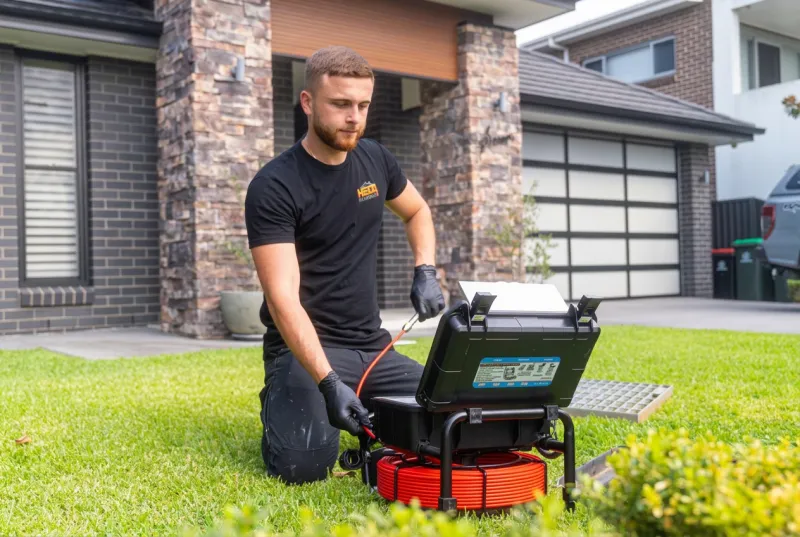
Listening gear picks up the sound of escaping water, and a thermal camera shows wet areas. Together they find the exact spot without opening anything.
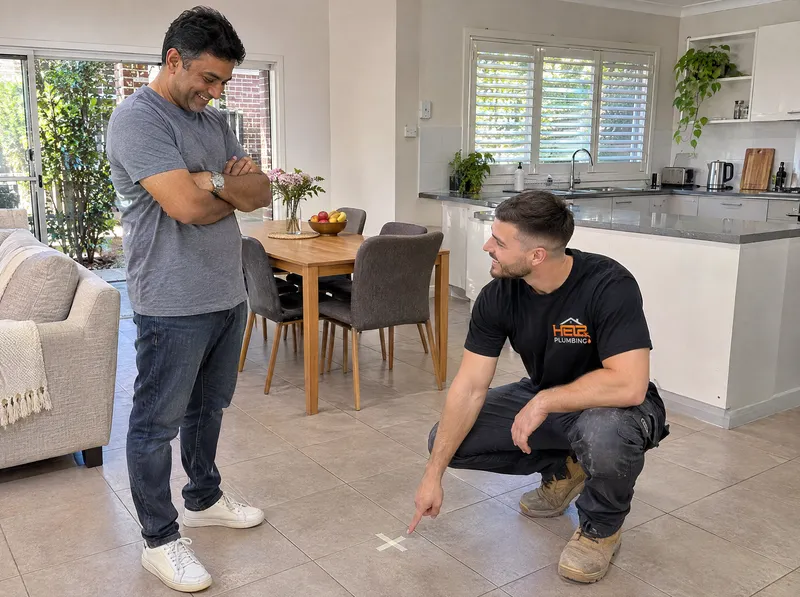
Step 3
We mark the leak above ground, usually to within 10 to 30 cm. Then you get a fixed price for the repair, with the least invasive option first.
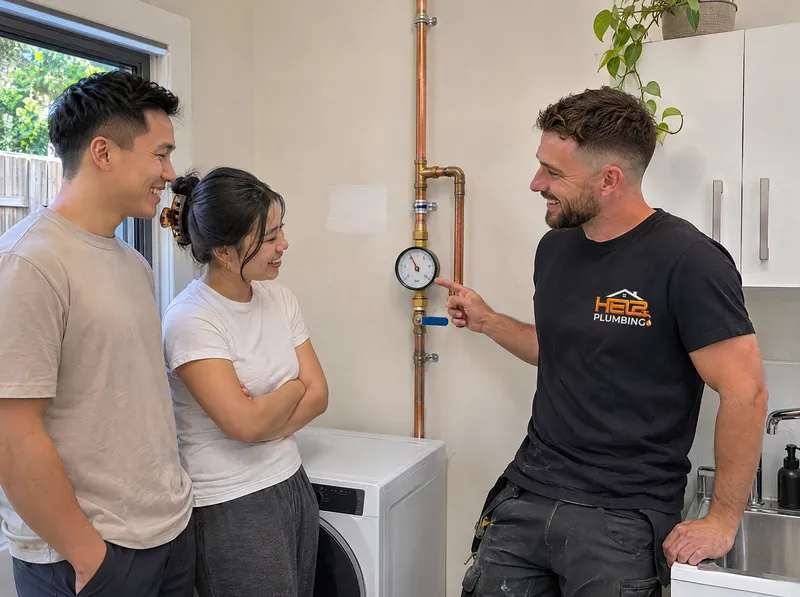
Step 4
We open only what's needed, fix the pipe and pressure test it again. You see the gauge hold steady before we close up and head off.
Leak detection in Sydney with us follows five steps:
Our plumbers are licensed under NSW Plumbing Licence 489072C, and we carry $10 million public liability insurance.
5.0 from 105 Google reviews
Google reviews, exactly as they were written.
“Don't be fooled by their youthful good looks, these guys knew more about plumbing than many plumbers I have worked with many decades their senior. As a property manager I work with a lot of contractors. These boys do not cut corners and do the job properly. If you want it done right the first time, these boys are the ticket. Great quality and very professional.”
“Great experience today with James from Help Plumbing. Professional, friendly and respectful; James took pride in his excellent workmanship, communicated well and left the worksite spotless. …”
“Thomas and the team were fantastic to work with. They are a professional, reliable team who showed up on time and delivered exactly what they promised. … We are very happy with the results and would highly recommend them.”
2 fields. 60 seconds. Same-day response across Sydney.
Try the meter test
Hidden leaks give themselves away slowly. Call a leak detection plumber if you notice:
Any one of these is reason enough to book leak detection. Sydney homes with older copper pipes are more prone to pinhole leaks, so they see these signs more often. Any plumber for water leaks should start by confirming there is one.
Turn off every tap and water-using appliance. Note the reading on your water meter, wait an hour without using any water, then check it again. If the numbers have moved, water is going somewhere, and that's when a plumber for water leakage is worth calling. It's the cheapest first step in leak detection. Sydney Water meters are usually at the front of the property, near the street.
We use four methods for leak detection. Sydney houses, units and commercial buildings each suit a different mix:
For water leak detection, we use whichever of these the job needs. Pipe leak detection Sydney apartments need often relies on acoustic listening, because pipes run through shared walls and slabs. For water pipe leak detection, Sydney houses with a garden usually need pressure testing as well. We use the same leak detection equipment whether it's a house or a unit block.
We mark the spot above ground, usually to within 10 to 30 cm, so the repair is a small, targeted opening instead of a whole wall.
A water leak inside wall cavities usually comes from one of three places:
Water leaking from wall tiles or skirting doesn't always start where you see it. Water travels along studs and pipes before it shows. To find water leak in wall cavities without ripping out plaster, we use acoustic and thermal checks first. A leaking pipe in wall cavities left too long can rot timber and grow mould, so a water leak in walls is worth finding early. Wall leakage that keeps coming back after painting is a sign the source was never fixed. We find wall leaks the same way on every leak detection Sydney job: test, listen, scan, then mark the spot.
A slab leak is a leak in a pipe under a concrete floor. Signs include a warm spot on the floor, cracked tiles, or a water bill that keeps rising. Slab leak detection is hard without the right gear, so we combine acoustic listening and pressure testing to find the pipe, then mark the spot. It's one of the leak detection Sydney jobs where the right equipment matters most.
Repair options are then quoted least invasive first. Sometimes that's a small opening in the slab, and sometimes it's running a new pipe another way.
Leaks outside the walls show up differently:
A water pipe leak underground can waste a lot of water before anyone notices, and pipe water leakage like this is what the meter test catches. A leaking water pipe in the yard doesn't always make the lawn soggy, especially in sandy soil.
Finding the leak is half the job. Once it's marked, we quote the repair options, least invasive first, and book the repair once you've approved the scope.
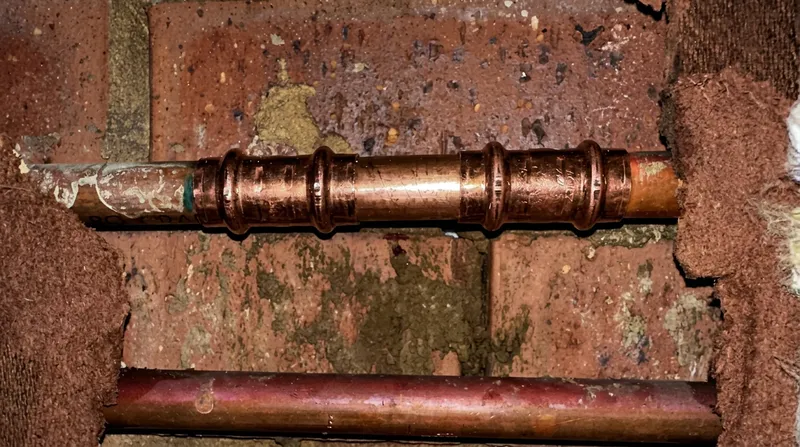
A typical pipe leak repair replaces the damaged section and the fittings around it. A water pipe leak repair in a wall means a small opening, the new section and a pressure test to confirm the leak has stopped. We fix water pipe leak damage at the source, not just the visible drip. Fixing a leaking pipe properly means checking the pipes around it too, because old pipes often fail in more than one spot.
A quick leaking pipe fix from the hardware store, like tape or a clamp, can hold for a while, but it's a stopgap. To stop pipe leak damage while you wait, turn off the water at the main stop tap, usually near the meter.
Leaking plumbing you can see, like a dripping tap, is a repair job. Leaking pipes you can't see are a detection job first. If you've called a plumber, leaking pipe repairs should start with the leak's location, not a guess. If a pipe has burst rather than leaked, our burst and leaking pipe repair service Sydney wide is the faster route.
Questions we get asked
Usually within 10 to 30 cm, depending on the surface and the pipe. That's accurate enough for a small, targeted repair.
No. Our methods are non-invasive. We only open a wall or floor once the leak is located and you've approved the repair.
We quote leak detection upfront, before we start. The repair is priced separately once we've found the leak, so leak detection Sydney homeowners book with us never rolls into a repair they haven't approved.
Yes. We use acoustic listening and pressure testing to locate pipes under slabs.
If water is getting into the house, turn off the water at the main stop tap. Take photos of any damage for your insurer.
No. Our call-out fee is $0 (T&Cs apply). We quote leak detection before we start, and the repair gets its own fixed price once we've found the leak.
No. We find and mark the leak, then quote the repair. It's only booked once you've approved the scope.
Free quote, no obligation
Send your details or call. We'll book a time, find the leak and give you a fixed price for the repair.


Get a free quote
What happens next
Working from Earlwood, we do leak detection across the Inner West, St George, the Eastern Suburbs, Western Sydney, the Hills District, Ryde and the Blue Mountains. Leaking pipe detection in Penrith follows the same steps as a job in the Inner West.
For everything else we do, see our home page. To book leak detection, Sydney homes can call (02) 9538 7878.
Type your suburb and we’ll tell you straight away.